
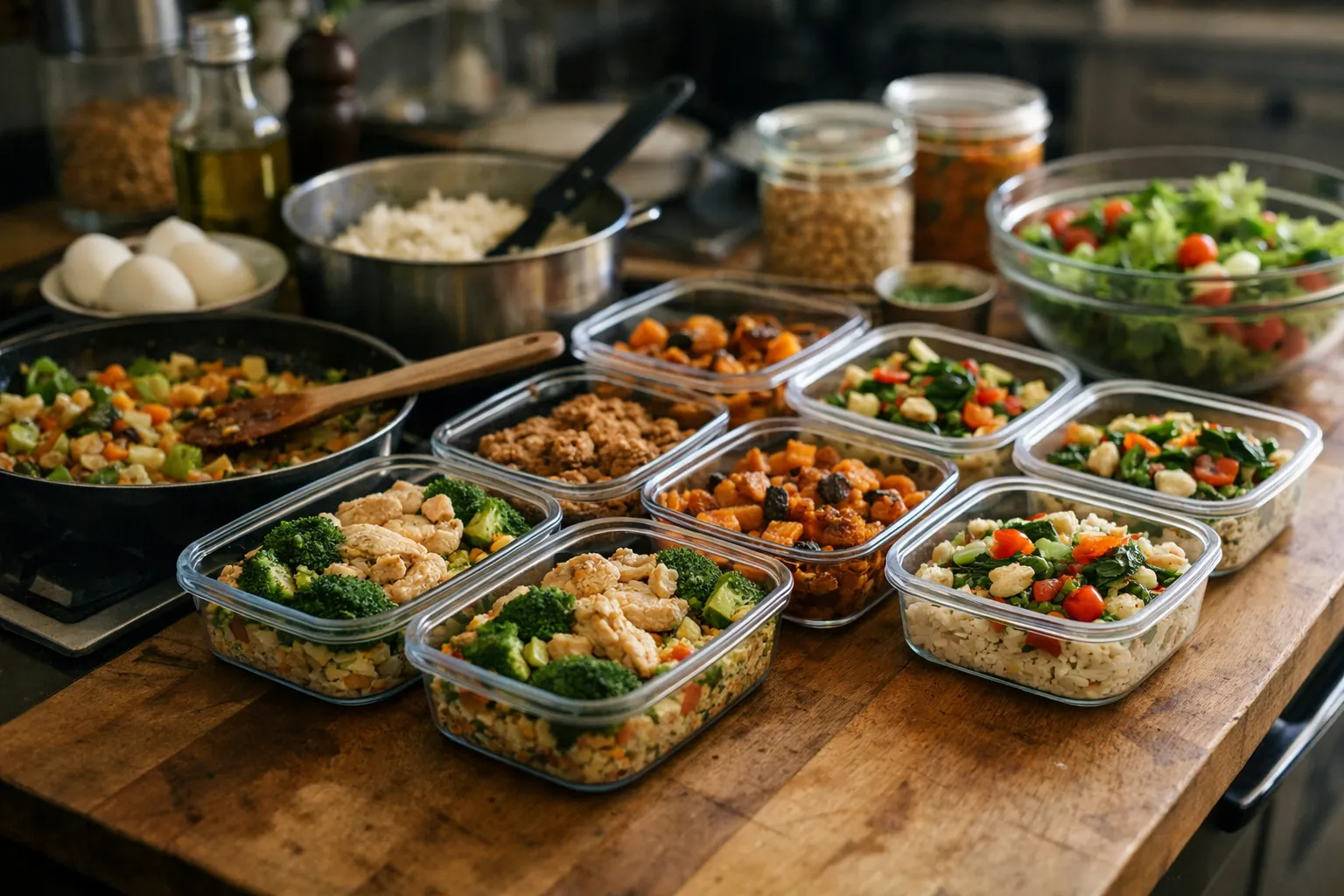
By Dr. Emily Torres — Health & Wellness Correspondent
Introduction — What you'll learn and who this is for
This updated guide shows home cooks and meal planners how to batch‑cook a 7‑day low‑FODMAP menu that’s practical in 2026. You’ll get an optimized shopping list, a time‑efficient 3‑hour cook‑day plan, updated storage and reheating rules, portioning tied to FODMAP thresholds, and a clear plan for reintroducing foods. If you have IBS or a sensitive gut and want fewer symptom surprises during the week, this guide is for you.
Why this update matters right now: clinical evidence still supports a short‑term low‑FODMAP elimination to reduce IBS symptoms (see Halmos et al., 2014), but in practice people need meal plans that fit busy lives. Since 2024, practical supports — wider low‑FODMAP certified products, more dietitian telehealth options, and kitchen tech (multicookers, vacuum sealers) — have made weekly batch cooking both faster and safer. This article translates those advances into action you can use this week.
Prerequisites / Important context
- Medical clearance: If you have IBS, inflammatory bowel disease (IBD), celiac disease, diabetes, food allergies, are pregnant, or have other complex conditions, consult your clinician or a registered dietitian before starting an elimination diet.
- Elimination vs. maintenance: This guide is primarily for the elimination phase (commonly 2–6 weeks) to identify triggers. Long‑term restriction should be avoided without dietitian supervision because of possible effects on dietary variety and gut microbes (see Staudacher et al., 2017).
- Reference tools: Use the Monash University FODMAP app or FODMAP certification labels when checking foods and portion sizes. These are the current lab‑based references for FODMAP content and serving thresholds.
- Evidence base: Randomized crossover and clinical trials (e.g., Halmos et al., 2014) show many people with IBS experience symptom relief on a low‑FODMAP elimination; systematic reviews recommend dietitian‑led reintroduction to restore variety and nutrients.
Step 1 — Low‑FODMAP basics (quick primer and 2026 updates)
Why: FODMAPs (Fermentable Oligo‑, Di‑, Mono‑saccharides And Polyols) are short‑chain carbs that can ferment in the gut and produce gas and osmotic effects that trigger symptoms in sensitive people.
Key practical rules (updated):
- Avoid common high‑FODMAP items during elimination: garlic, onion, large servings of wheat, apples/pears, stone fruits, high‑lactose dairy, and many legumes. Check ingredient lists for concentrated sweeteners and inulin/oligofructose.
- Use safe flavor substitutions: garlic‑infused oil (flavor without fructans), chive greens, lemon zest, and asafoetida (hing) in very small amounts where culturally appropriate (verify tolerable portions first).
- Portion size matters: some foods are low‑FODMAP only at specific servings. The Monash app remains the practical authority — use it when unsure.
- New in 2026: more packaged foods now display independent low‑FODMAP certification labels. These save time but always check serving size and full ingredient lists for hidden high‑FODMAP additives.
Step 2 — The 7‑day sample menu (batch‑cook friendly)
The menu below is designed for one person eating two prepared meals per day (lunch + dinner), plus a simple breakfast and snacks. Adjust portions and double quantities for household size.
- Breakfasts (minimal prep): Lactose‑free Greek yogurt with 2 tbsp chia + 1/2 banana (low serving) + 2 tbsp low‑FODMAP granola; or overnight oats (certified rolled oats) made with lactose‑free milk and a 1/4 cup blueberries.
- Lunches (batch‑portioned, 14 portions total):
- Mon/Tue: Lemon herb chicken + quinoa + roasted carrots & baby spinach
- Wed/Thu: Turkey meatballs (no onion/garlic) in low‑FODMAP tomato sauce + polenta
- Fri/Sat: Tamari‑seared firm tofu + brown rice + sesame green beans
- Sun: Baked salmon + roasted potatoes + steamed bok choy
- Dinners: Use the same proteins but change the base (mixed greens bowls, rice noodles where tolerated, or warmed grain salads with fresh herbs) to keep variety without doubling cook time.
- Snacks: Kiwifruit, mandarin orange (single serving), rice cakes with natural peanut butter, lactose‑free cottage cheese, or a small handful of walnuts.
Why this works: repeating proteins and grains reduces total cook time while rotating vegetables preserves micronutrient variety. Protein portions freeze well and reheat cleanly; most vegetables roast or steam in bulk without losing texture when properly cooled.
Step 3 — Shopping list and equipment (1‑person week: 14 portions)
Quantities below approximate a single person preparing two meals per day for 7 days.
- Proteins: 1.2 kg boneless chicken, 700 g ground turkey, 600 g firm tofu, 4 salmon fillets (120–150 g each)
- Grains & starches: 500 g quinoa, 1 kg brown rice, 600 g polenta or potatoes
- Vegetables: 1 kg carrots, 400 g baby spinach, 600 g green beans, 500 g bok choy, mixed lettuce for fresh salads
- Dairy & alternatives: Lactose‑free Greek yogurt, lactose‑free milk
- Flavorings & pantry: Garlic‑infused olive oil, fresh herbs (parsley/basil), ginger, lemons, tamari, canned chopped tomatoes (no onion/garlic), low‑FODMAP broth
- Equipment: 2 large sheet pans, large pot or rice cooker, large skillet, 12–16 shallow meal containers (microwave‑safe), vacuum sealer or freezer bags (optional), labels and marker
Step 4 — Batch‑cook schedule: a practical 3‑hour cook day (updated for modern kitchens)
Plan: ~2.5–3 hours active. Use parallel tasks and modern appliances (multicooker/instant pot, air fryer, vacuum sealer) to shorten active time.
- Preheat & prep (0–15 min): Preheat oven to 425°F (220°C). Rinse quinoa and rice. Chop vegetables. Marinate proteins: chicken with lemon/herbs, tofu with tamari & ginger, turkey mixed with binder (gluten‑free crumbs if needed).
- Roast root veg (15–45 min): Toss carrots & potatoes in garlic‑infused oil, roast ~30–35 minutes until tender. Use air fryer baskets for smaller batches to shorten time if available.
- Cook grains (20–40 min): Start quinoa and brown rice; rice cooker frees hands for other tasks. Quinoa 15–20 min; brown rice 40 min in a high‑pressure multicooker.
- Bake proteins (35–70 min): Bake chicken and turkey meatballs on a sheet pan (chicken 20–25 min to 165°F/74°C; meatballs 18–22 min). Bake/steam salmon later for 10–12 min to keep it flaky.
- Quick veg & tofu finish (65–85 min): Stir‑fry green beans and bok choy in garlic‑infused oil; sear or bake tofu 15–20 min until golden.
- Cool & portion (85–110 min): Let food cool 20–30 minutes (see food‑safety section). Portion proteins (~120–150 g cooked), grains (3/4–1 cup cooked depending on appetite and Monash guidance), and 1 cup cooked vegetables per container. Label with date and contents.
Timing note: a modern multicooker and air fryer can reduce active time by ~30–45 minutes when used strategically.
Step 5 — Portioning, storage, and food‑safety rules (emphasis for weekly prep)
Safe handling and correct portioning keep you eating well and avoid foodborne illness.
- Cooling: Move cooked food into shallow containers and refrigerate within 2 hours. Dividing large batches accelerates cooling.
- Fridge timing: Follow USDA guidance: cooked poultry, meat, and seafood are safe 3–4 days refrigerated. Plan to consume refrigerated meals within that window or freeze portions for later.
- Freezing: Freeze individual portions for 1–3 months for best quality. Vacuum sealing preserves texture and reduces freezer burn.
- Reheating: Reheat to an internal temperature of 165°F (74°C). Reheat a single portion only once; do not repeatedly reheat and cool the same portion.
- FODMAP portioning: Use the Monash app or low‑FODMAP certification guidance for borderline foods and condiments before increasing portions.
Step 6 — Reintroduction and symptom tracking (updated approach)
Why: Elimination is a diagnostic tool, not a lifelong diet. Reintroduction identifies individual triggers and restores tolerated foods to maintain microbiome diversity and nutrient intake.
- After 2–6 weeks, reintroduce one FODMAP subgroup at a time (e.g., lactose → fructans → polyols). Work with a registered dietitian when possible; telehealth dietitians are widely available in 2026.
- Introduce a single food at a medium portion on day 1 (not a tiny taste), then monitor symptoms for 48–72 hours. If tolerated, increase portion on a second challenge day to test threshold.
- Keep a symptom and food log — record time of meal, portion, and symptoms (bloating, pain, stool changes) with a 0–10 severity scale. Use simple apps or paper charts — consistency matters more than tool complexity.
When reintroducing, aim to re‑include as many foods as tolerated to support dietary fiber and prebiotic variety; long‑term unnecessary restriction can reduce certain beneficial gut bacteria (see Staudacher et al., 2017).
Common mistakes to avoid
- Assuming “gluten‑free” equals low‑FODMAP — many gluten‑free products use high‑FODMAP fibers or sweeteners.
- Overportioning: large servings can turn a low‑FODMAP food into a high‑FODMAP exposure.
- Skipping reintroduction or dietitian support: prolonged restriction risks reduced dietary variety and nutrient gaps.
- Poor cooling: storing large hot pots directly in the fridge slows cooling and increases bacterial risk — divide into shallow containers.
Pro tips (advanced, 2026)
- Use appliance workflows: Run grains in the rice cooker/multicooker while roasting vegetables; use air fryer for quick tender‑crisp veg and to brown tofu without oil.
- Freeze smart: Freeze meals flat in zip pouches or vacuum bags for faster thawing. Date and rotate FIFO (first in, first out).
- Build flavor without FODMAPs: Make concentrated herb pastes (parsley, basil, lemon zest) and freeze in tablespoon portions; use garlic‑infused oil and fresh chive greens for savory notes.
- Leverage telehealth: Book a 30‑minute virtual consult with a GI‑trained dietitian to personalize your reintroduction schedule — this is often covered by insurance or offered through employer health plans in 2026.
- Use certified products: When short on time, rely on low‑FODMAP certified sauces or meal kits — they cut prep time and reduce label‑reading errors. Still check serving size.
FAQ
Can I use garlic or onion powder if I strain it out?
No. Garlic and onion powders contain soluble fructans that aren’t removed by straining. Use garlic‑infused oil for garlic flavor without fructans; for onion notes, use the green parts of spring onions or asafoetida cautiously and test tolerance with your dietitian.
How long can I keep cooked meals in the fridge safely?
Follow USDA guidance: cooked meals with meat, poultry, or fish are safe 3–4 days refrigerated. If you need meals later in the week, freeze portions within two days of cooking and label with the date.
I’m vegetarian—can I follow this batch‑cook plan?
Yes. Replace animal proteins with firm tofu, tempeh (check serving size for FODMAPs), eggs, and canned lentils in small portions if tolerated. Work with a dietitian to ensure adequate iron, B12, and overall protein if you avoid meat long‑term.
Will a low‑FODMAP diet harm my gut microbiome?
Research indicates the short‑term elimination phase can reduce some prebiotic bacteria, but reintroduction usually restores diversity. That’s why reintroduction under dietitian guidance is important to keep restriction as short and targeted as possible (see Staudacher et al., 2017).
Where can I find reliable low‑FODMAP products and support?
Use the Monash University FODMAP app and look for independent low‑FODMAP certification marks on packaged foods. For personalized planning and reintroduction, consult a registered dietitian—telehealth options make this more accessible in 2026.
Closing — Practical next steps
Block one 3‑hour session on your calendar this week. Print the shopping list, pick one multicooker or air fryer hack you’re comfortable with, and plan to freeze half the week’s meals if you’re not eating fresh within 3–4 days. If you’re using an elimination phase to find triggers, schedule a virtual consult with a registered dietitian to plan reintroduction safely. With modern kitchen tools and clearer product labeling, low‑FODMAP batch cooking can now be faster and less stressful — and it can free you to spend more time living, not worrying about your next meal.
Sources and guidance: Halmos EK et al., randomized crossover trial on low‑FODMAP diet (Gastroenterology, 2014); Staudacher HM et al., studies on low‑FODMAP effects on gut microbiota; Monash University FODMAP resources and certification. For individualized clinical advice, consult a registered dietitian or your clinician.