
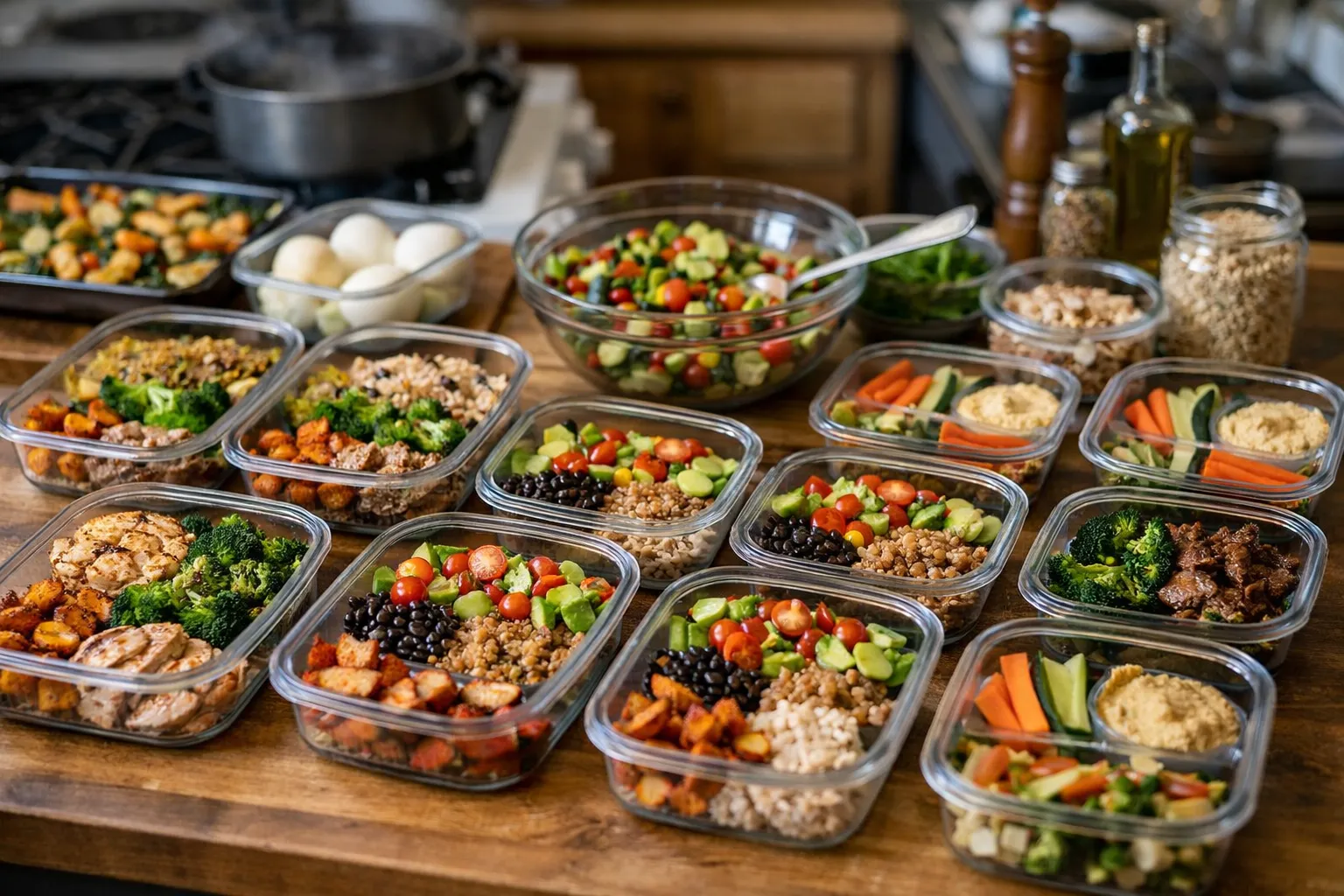
We love a good game plan. Four hours on Sunday should not feel like punishment—it should feel like winning. If you balance work, family and a desire to eat well, this updated 4-hour meal-prep playbook gives you five different lunches that actually stay interesting all week. This version is refreshed for October 2026: it includes current tech shortcuts (air fryer and vacuum sealer workflows), sustainability notes, and the latest practical food-safety reminders from USDA/FoodSafety.gov standards.
Who this is for and why it matters
This guide is for home cooks and meal planners who want dependable, grab-and-go lunches: office workers, caregivers, athletes, and anyone who wants to avoid the takeout trap. We’ll keep the format tight — two proteins, three grain/bases, roasted veg and a couple of sauces — but add 2026-ready tactics so you waste less, save money, and get fresher meals by Wednesday and Thursday.
Prerequisites / Context
- Equipment: full-size oven (or multi-rack smart oven), one sheet pan (two if you can), a 10–12" skillet, a medium pot for grains, instant-read thermometer, cutting board, and optionally an air fryer and vacuum sealer (both speed up crisping and extend freezer life).
- Food-safety basics: reheat foods to 165°F (74°C) before eating; refrigerate cooked poultry, grains and roasted vegetables and eat within 3–4 days (USDA/FoodSafety.gov guidance). Freeze meals you won't eat within four days.
- Timing assumption: you have about 4 continuous hours on Sunday and a standard home kitchen. Air fryers and precision ovens can compress active hands-on time, but we plan the full four-hour window so you’re not rushed.
High-level plan (the 4-hour timeline)
- 0:00–0:15 — Finalize menu, preheat oven/air fryer, press tofu and start marinades, rinse grains.
- 0:15–0:45 — Roast chicken (or sous-vide finish + sear) and start vegetables; bring water for rice/quinoa.
- 0:45–1:20 — Crisp tofu in oven or air fryer; finish vegetables; start second grain.
- 1:20–2:20 — Finish remaining grains and quick stovetop items (beans, sautéed greens), cool slightly.
- 2:20–3:00 — Portion into containers; add sauces in separate jars or compartments; chill on rack.
- 3:00–4:00 — Label with dates (and QR notes if you use an inventory app), vacuum-seal/freezer those you’ll keep longer, tidy up.
Step 1 — Menu and shopping list (updated for 2026)
Same core strategy: two proteins, three bases, roasted veg, and sauces. New to 2026: keep one protein fully plant-forward (to reflect flexitarian trends and reduce midweek taste fatigue) and plan one freezer-ready meal.
Menu (5 lunches)
- Protein A — Lemon-herb roasted chicken breast (or sous-vide + sear for ultra-tender texture)
- Protein B — Sesame-maple baked tofu or air-fried tofu (extra-firm)
- Grain/Base 1 — Quinoa (1.5 cups dry)
- Grain/Base 2 — Brown rice (1.5 cups dry) — or frozen pre-cooked rice to save time/cost
- Grain/Base 3 — Quick-cook farro or barley (1 cup dry) — swap in canned lentils for added protein
- Veg — Sheet-pan roasted broccoli, bell peppers, red onion, carrots, plus a sturdier roast like sweet potato or cauliflower for reheats
- Sauces — Lemon-tahini and soy-ginger vinaigrette; one sauce should be oil-based (fridge-stable) to keep texture
- Extras — Fresh greens, roasted chickpeas or edamame, lemon, fresh herbs, toasted seeds
Shopping list (approx. quantities for 5 lunches)
- Chicken breasts: 1.5–2 lb (700–900 g)
- Extra-firm tofu: 1 block (14–16 oz)
- Quinoa: 1.5 cups dry; Brown rice: 1.5 cups dry; Farro/bulgar/barley: 1 cup dry
- Mixed vegetables: 3 cups broccoli florets, 2 bell peppers, 1 large red onion, 2 medium sweet potatoes or 3 carrots
- Pantry: tahini, lemon, soy sauce, sesame oil, maple syrup, olive oil, garlic, ginger, salt, pepper, cornstarch
- Small containers or jars for dressings; optional vacuum-sealer bags; five 24–28 oz reusable meal containers (glass preferred)
Step 2 — Prep and mise en place (0:00–0:15)
- Preheat oven to 425°F (220°C). If using an air fryer, preheat per manufacturer guidance. Line sheet pans with parchment for easy cleanup.
- Marinade for chicken: 2 tbsp olive oil, zest + juice of 1 lemon, 2 minced garlic cloves, 1 tsp oregano, salt and pepper. Pat chicken dry, coat and let rest. If sous-videing, seal and set precision cooker (see Pro Tips).
- Tofu: press 10–15 minutes. Toss cubes with 1 tbsp soy sauce, 1 tsp sesame oil, 1 tbsp maple syrup and 1 tsp cornstarch for oven crisping. For air fryer, a light spray of oil gives faster crunch.
- Vegetables: cut into even pieces so everything roasts at the same rate. Toss in 1–2 tbsp olive oil and seasonings.
- Rinse grains and measure water. If using frozen pre-cooked rice or frozen veg, factor that into oven/stovetop timing to save time and money.
Why this setup? Doing staging first avoids dead time and supports use of newer tools (air fryer, sous-vide) without overcomplicating the oven schedule.
Step 3 — The oven/air-fryer play: chicken, tofu, and vegetables (0:15–1:20)
- Chicken (oven): Roast at 425°F for 18–22 minutes depending on thickness until the thickest part reads 165°F (74°C) with an instant-read thermometer. Rest 5–10 minutes before slicing.
- Chicken (sous-vide + sear option): If you have a precision cooker, cook sous-vide for pasteurization and texture control, then quick-sear 1–2 minutes per side in a hot skillet for color. Consult USDA/sous-vide pasteurization tables if choosing this route.
- Tofu: Oven-bake on a sheet pan for 25–30 minutes, flipping halfway, or air-fry at 375°F for 12–15 minutes, shaking basket halfway for even browning.
- Vegetables: Roast 20–25 minutes at 425°F in a single layer; sturdier veg (sweet potatoes) can be par-baked earlier so everything finishes together. Slight charring on broccoli is flavor — embrace it.
Why two proteins and new tools? Two proteins keep lunches interesting; an air fryer gets tofu crisp without extra oil and runs faster for small pan loads. Sous-vide is optional but worth it if you crave consistent, tender chicken that reheats well.
Step 4 — Grains and quick stovetop work (0:45–2:20)
- Quinoa: 1 part quinoa to 2 parts water. Bring to boil, simmer 12–15 minutes until water is absorbed, then rest 5 minutes. Fluff with a fork.
- Brown rice: follow package instructions—typically 1:2 ratio; simmer 35–40 minutes. Use a rice cooker if you have one; set-and-forget cuts mental load.
- Farro/Barley: quick-cook versions take 15–25 minutes; drain and toss with 1 tbsp olive oil and lemon zest. Canned lentils or beans are a fast, fiber-rich swap if your oven runs long.
Timing tip: Start rice first; use the time while grains absorb to finish sauces, toast seeds, or crisp roasted chickpeas. Frozen veg can go into the microwave or toaster oven for last-minute texture.
Step 5 — Portioning and cooling (2:20–3:00)
- Divide grains into five containers — aim for about 3/4 cup cooked grain per standard lunch, adjust for your calorie needs.
- Add proteins: 4–6 oz sliced chicken or about 1/2 cup tofu. Rotate proteins so lunches differ across the week.
- Vegetables: 1–1.5 cups roasted veg per container. Place sturdier veg underneath, more delicate greens on top.
- Sauces: store 2–3 tbsp of dressing in small jars or compartments. Keep acidic dressings separate until eating to avoid soggy textures.
- Cooling: let containers sit uncovered on a rack until steam subsides (~20–30 minutes), then cover and refrigerate. Do not stack hot containers tightly — that traps heat and raises fridge temps.
Why this approach? Proper cooling keeps food safe and preserves texture. Sauce separation and staggered layering keep salads from going limp.
Step 6 — Storage, labeling and reheating (3:00–4:00)
- Refrigeration: keep meals at 40°F (4°C) or below. Eat refrigerated meals within 3–4 days (USDA/FoodSafety.gov).
- Freezing: vacuum-seal or use freezer-safe glass/plastic. Vacuum-sealed meals keep quality longer (2–3 months recommended for best texture). Defrost overnight in fridge before reheating.
- Reheating: microwave or skillet until internal temp reaches 165°F (74°C). Reheat only the portion you'll eat; repeated cooling and reheating increases microbial risk.
- Labeling: include prep date and “eat-by” date. If you use inventory apps (e.g., Fridgely or a barcode/QR method), add a quick note for ingredients and reheating instructions.
Common mistakes and how to avoid them
- Overcrowding pans: Crowded pans steam rather than roast. Keep single layers or use two rounds in your schedule.
- Skipping the thermometer: Don’t guess doneness. An instant-read thermometer protects flavor and safety—165°F for poultry.
- Sealing hot food immediately: Cool on a rack first. Hot, sealed containers raise fridge temperature and trap steam that makes food soggy.
- Monotony: Prepping only one flavor profile makes the week miserable. Two proteins and different sauces solve that with little extra work.
- Over-saucing up front: Dress only when you eat or keep dressings separate to maintain texture.
Pro tips (advanced plays)
- Vacuum-seal freezer-bound meals: this reduces freezer burn and keeps flavor longer. If you don’t have a sealer, double-bag and squeeze out as much air as possible.
- Use the air fryer for small-batch crisping: tofu and roasted chickpeas come out faster and crunchier—great for midweek texture rescue.
- Invest in glass meal containers with tight lids and compartments — they don’t retain odors, are microwave-safe, and cut plastic waste.
- Embrace frozen produce: modern frozen vegetables often lock in nutrients and cost less. Swap frozen for fresh when prices spike or seasonality bites.
- Plan one “fresh-cook” night midweek: keep two meals frozen and cook one fresh Wednesday to reset textures and flavors.
Examples: Updated sample lunch configurations (2026)
- Mediterranean Bowl: Farro base, lemon-herb chicken, roasted peppers & red onion, dollop of hummus, chopped parsley, lemon wedge.
- Asian-Inspired Grain Bowl: Brown rice, sesame-maple tofu (air-fried), roasted broccoli, thawed edamame, soy-ginger vinaigrette, toasted sesame seeds.
- Autumn Harvest Bowl (new): Quinoa, roasted sweet potato & cauliflower, roasted chickpeas with za'atar, tahini-lemon drizzle — hearty, reheats well.
Why this method still beats ordering daily (and why you should commit)
We’ll be blunt: ordering lunch four or five times a week is a slow bleed of cash, calories, and time. Meal prep reduces decision fatigue, cuts cost, and gives you control over sodium, sugar and portion sizes. Add vacuum sealing and smart reheating and you extend freshness. Make Sunday your practice — the rest of the week is the win.
FAQ
How long will these meals keep in the fridge?
Cooked poultry, grains, and roasted vegetables are safe for 3–4 days refrigerated (USDA/FoodSafety.gov). If you won’t eat them within four days, freeze the extra meals. Vacuum-sealed freezer meals keep best quality for 2–3 months.
Can I use an air fryer or sous-vide in this plan?
Yes. Air fryers are perfect for quickly crisping tofu, chickpeas and small veg batches; they cut active time. Sous-vide delivers consistent chicken texture and is safe if you follow USDA/sous-vide pasteurization references—consult manufacturer guidance and time-temperature charts before adopting it.
What if I follow a low-sodium or special diet?
Adjust marinades and sauces: use citrus, herbs and vinegar to add flavor without salt. Swap canned items for low-sodium versions and scale portion sizes to meet your nutrition targets. Prepping your meals helps you control sodium and macronutrients far better than takeout.
How can I reduce waste and be more sustainable?
Buy frozen produce when appropriate, use reusable glass containers, vacuum-seal for freezer longevity, and plan meals around seasonal sales. Compost vegetable scraps and save broth from roasted bones or veg peels for future soups.
How do I scale this for two people or a family?
Double ingredients for two people; for families, rotate flavors so not every lunch is identical (e.g., 6 chicken lunches, 4 tofu). Use larger meal containers and stagger which lunches are frozen vs. refrigerated to keep variety and reduce waste.
Final words — make Sunday count
We don’t mince words: if you want better lunches and a calmer week, invest four focused hours on Sunday. Use modern tools wisely (air fryer, vacuum sealer, frozen produce) and treat your kitchen like your stadium — proper prep wins games. Do it once, be proud on Monday, and tweak from there. We’ve given you the playbook; now run the offense.