
Overview — What we’re analyzing and why it matters
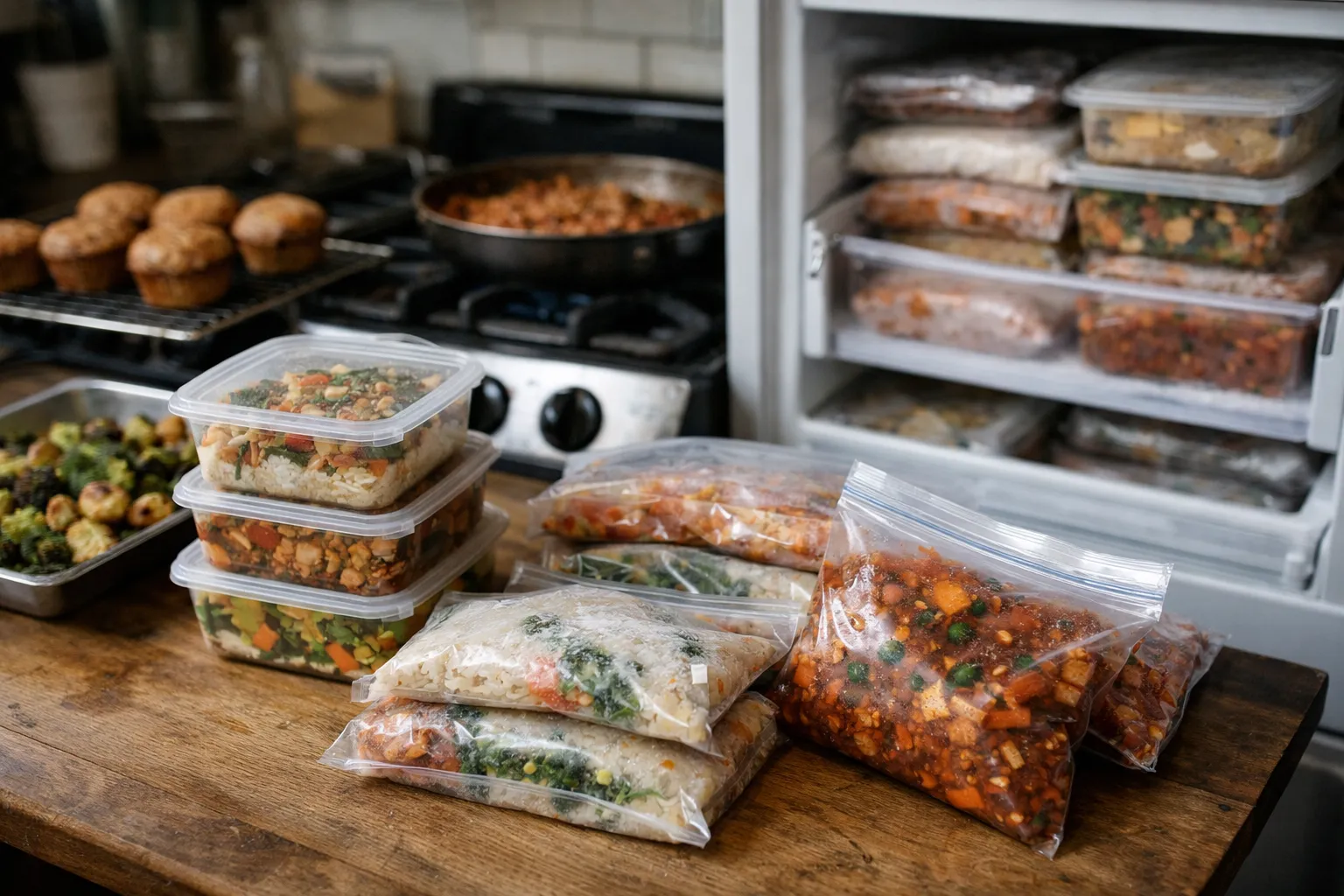
Freezer‑first batch cooking — preparing large quantities and freezing meal‑sized portions for weeks or months — has been a core tactic for saving time and reducing waste. By October 2026 the underlying economics have shifted: freezers are more efficient, grocery prices remain elevated versus pre‑pandemic levels, and smart tariffs plus new appliance features change the marginal cost of freezing. The numbers tell a different story than the marketing: freezer‑first still makes sense for many households, but the right choice now depends on your electricity rate, what you typically toss, and how you value texture and convenience. This analysis gives updated data, fresh examples, and specific rules to decide whether to freezer‑first, fridge‑rotate, or adopt a hybrid approach.
Background — What changed since the original 2026 debate
Three developments have shifted the calculus since mid‑2026’s baseline discussion:
- Appliance efficiency improvements: Compressor and insulation advances have lowered consumption for many new chest and upright freezers. Typical ENERGY STAR‑rated chest models sold in 2025–26 now often rate closer to 150–220 kWh/year versus the 250 kWh baseline commonly cited earlier.
- Wider rollout of dynamic pricing and smarter appliances: More utilities offered time‑of‑use (TOU) or demand response programs in 2024–26, and manufacturers have added basic load‑shifting features to freezers and smart plugs. That lets households nudge effective running costs downward if their utility supports cheaper off‑peak hours.
- Grocery price and shopping behavior: Food‑at‑home prices remain meaningfully above 2019 levels in most U.S. metro areas. That increases the dollar benefit of preventing wasted meals — even small reductions in waste compound into real grocery savings.
Data and evidence — updated costs, energy math, waste impact and quality
1) Energy and per‑meal electricity cost (2026 examples)
Use concrete math rather than gut feeling. Example scenarios using October 2026 typical figures:
- Efficient chest freezer: 180 kWh/year. If your local residential rate is $0.17/kWh (a mid‑U.S. midpoint in 2026), annual running cost ≈ $30.60 (180 × $0.17).
- Average upright older model: 420 kWh/year. At $0.17/kWh, annual cost ≈ $71.40.
Now spread that cost across meals you actually freeze. If you freeze 240 meal portions per year (about 5 per week), per‑meal energy cost with the efficient chest freezer is ≈ $0.13 ($30.60 ÷ 240). For the inefficient upright at the same utilization, per‑meal energy cost ≈ $0.30.
Two practical caveats: (1) The per‑meal figure falls quickly as you fill capacity — under‑used freezers raise per‑meal costs; (2) enrolling in an off‑peak program or using a smart plug that delays compressor activity during peak hours can shave 10–30% off effective running cost depending on your utility.
2) Grocery savings and food‑waste reduction
Why this matters: with food prices still above pre‑pandemic baselines in many regions, preventing a single wasted dinner is worth more in dollars than it was in 2019. Example: if your average home‑cooked dinner costs $7.50 in ingredients in 2026 (a conservative mid‑range figure in many metros), avoiding four tossed dinners per year saves $30 — roughly equal to the annual running cost of an efficient chest freezer in the example above.
Freezing is especially effective at preventing waste for cooked proteins, stews, and grains. It’s less effective for salad greens, herbs, and soft berries unless you change shopping patterns. The fine print reveals: if the items you regularly waste are those that don’t freeze well, switching storage strategy won’t move the needle.
3) Time, labor and equipment costs
Upfront time remains the tradeoff: a weekend 2–4 hour session can yield 8–16 weekday dinners. Newer consumer vacuum‑sealers are cheaper and faster than five years ago, and multi‑portion silicone trays and label‑printing kit bundles reduce prep labor. But remember to amortize equipment cost: a $120 vacuum sealer paid off only if you freeze large volumes regularly; for casual batchers, good quality freezer bags + manual air‑removal often suffice for 2–8 week storage.
4) Nutrition and quality — what’s changed
Food science hasn’t reversed: freezing preserves calories and macronutrients well; some vitamins are better preserved in frozen cooked food than in produce left in the fridge for multiple days. Newer consumer‑level techniques — flash‑chilling (ice‑bath rapid cool down) and vacuum‑packed immersion freezing — help prevent texture loss in proteins and reduce ice crystal damage. Practically: blanch vegetables, cool rapidly, remove air, and label. Expect best quality for most dishes for 2–6 months; flavor and texture degrade gradually after that.
Multiple perspectives — who benefits and who doesn’t
Energy‑conscious planners: Emphasize buying an efficient chest freezer, keeping it 70–90% full, and enrolling in TOU programs. Their math shows per‑meal energy cost under $0.20 is routine if utilization is high and rates are moderate.
Frugal shoppers: Use freezer space to lock in value buys: bulk proteins on sale, seasonal veg, and homemade soups. With ingredient inflation still elevated, freezing can convert an occasional sale into months of cheap dinners.
Quality‑first cooks: Argue that texture‑sensitive meals (salads, fresh‑cream sauces, some fish) do better with fridge rotation or hybrid prep (make components and combine fresh). They prefer freezing base elements (grains, beans, sauces) instead of entire plated meals.
Food‑waste advocates: Say the method should map to what you throw away. If your waste is leafy produce, consider crisping techniques, proper storage, or smaller purchases rather than freezer heavy reliance.
Implications for meal planners — clear, actionable rules
- Track two weeks of waste. Note what you toss and why. If cooked dinners, proteins, and batch soups dominate, freezer‑first is high ROI.
- Run the per‑meal energy math. Formula: (freezer kWh/yr × your $/kWh) ÷ expected frozen meals/yr = energy cost/meal. If that’s under $0.50 and you prevent even 3–5 wasted meals monthly, freezer‑first likely saves money.
- Buy efficient, buy right size. New ENERGY STAR chest freezers in 2025–26 often rate 150–220 kWh/yr — choose a model sized to keep it at least half full for best efficiency.
- Use smart features. If your utility offers TOU rates, use a smart plug or built‑in app to favor off‑peak compressor cycles. That lowers effective cost and may be enough to tip the scale.
- Adopt a hybrid routine. Batch‑cook and freeze long‑life proteins and stews; refrigerate grains, fresh roasted veg, and sauces for midweek use. Freeze only what you won’t eat within 3–5 days to preserve texture and reduce packaging effort.
Outlook — what to watch for through 2027
Three trends could shift the balance further:
- More efficient small freezers: Continued compressor and insulation improvements will keep lowering per‑meal energy costs, favoring freezer‑first for more households.
- Wider TOU adoption: If utilities expand time‑of‑use pricing and appliance makers add certified load‑shifting modes, households could lower effective freezer costs without behavioral friction.
- Retail trends: If large bulk discounts return widely, freezer capacity converts sales into months of meals. If retailers instead emphasize smaller, fresher packs, fridge‑rotation regains ground.
Practical checklist: when freezer‑first is smart in 2026
- You regularly buy proteins or make batches you can’t eat within 3–4 days.
- Your household wastes cooked meals or proteins more than fresh produce.
- You can use an ENERGY STAR or similarly efficient freezer and keep it decently utilized (half‑full or more).
- You’re willing to invest some upfront time in portioning, labeling, and basic vacuum sealing for multi‑month storage.
When fridge‑rotation or hybrid is better
- You routinely toss leafy greens, herbs, or soft fruit — freezing won’t fix that.
- You place high premium on fresh texture and variety each night.
- Your electricity rates are high and you own an inefficient freezer that makes per‑meal costs exceed plausible grocery savings.
FAQ — quick answers you can use
Does freezing destroy nutrients?
No — freezing preserves macronutrients and many vitamins well. Rapid cooling and proper packaging help retain vitamins and texture. Delicate fresh items like lettuce and many soft fruits do not freeze well and lose texture.
How long can I safely freeze home‑cooked meals?
Safety: food kept continuously frozen is generally safe indefinitely from a microbial perspective. Quality: most cooked dishes maintain good quality for 2–6 months in proper packaging; label with date and use oldest first for best taste and texture.
Is a vacuum sealer worth the cost in 2026?
If you freeze large volumes regularly or plan storage beyond 2–3 months, yes. Vacuum sealing reduces freezer burn and preserves texture, making it cost‑effective for frequent batch cooks. For occasional freezing of meals you’ll eat within a month, heavy‑duty resealable bags pressed to remove air are often sufficient.
How do I estimate my freezer's per‑meal cost quickly?
Find the freezer’s annual kWh from the manufacturer or ENERGY STAR label. Multiply by your local $/kWh, then divide by the number of frozen meals you expect to use in a year. Example: 180 kWh × $0.17 ÷ 240 meals ≈ $0.13 per meal.
Can smart tariffs really cut my freezer cost?
Yes — if your utility offers lower off‑peak rates and you can let the freezer run mainly during those hours (either through built‑in scheduling, a smart plug, or a utility program), effective running cost can fall by 10–30% depending on the tariff structure.
Bottom line
The numbers in October 2026 still favor freezer‑first for many households — especially those that buy in bulk, waste cooked meals and proteins, and can use an efficient freezer at reasonable utilization. But it’s no universal default: the best approach is specific math plus a quick audit of what you throw away. Do the per‑meal energy calculation, track two weeks of waste, and adopt a hybrid strategy if you value texture or want to lower upfront time. The numbers will show you whether freezer‑first saves money, time, or both — and exactly how much.